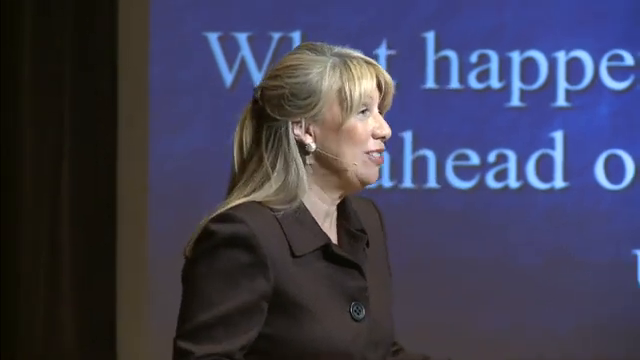
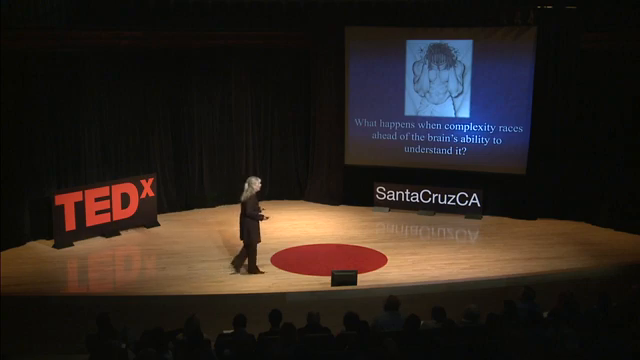
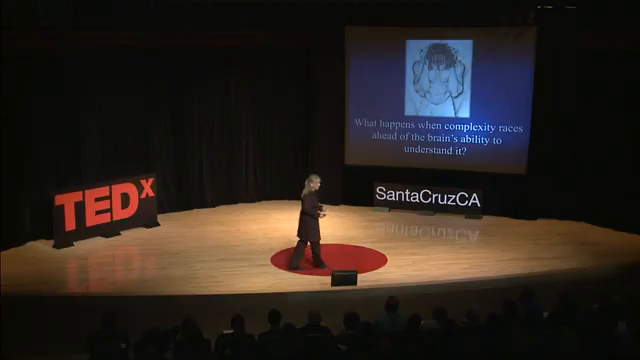
In this presentation, Rebecca Costa explores the evolutionary discrepancy between our biological cognitive limits and the increasing complexity of modern global problems.
The Core Thesis: Two Racing C
In this presentation, Rebecca Costa explores the evolutionary discrepancy between our biological cognitive limits and the increasing complexity of modern global problems.
The Core Thesis: Two Racing C
locks
The speaker defines our current societal predicament through the lens of two conflicting timelines:
The Evolutionary Clock: Based on Darwinian biology, this clock moves in increments of millions
of years. It dictates our physiological capabilities and cognitive architecture, which have remained relatively static for a vast duration.
The Progress Clock: Human technological and social advancem
ent moves at the speed of "picoseconds." New iterations of technology and systemic complexity emerge faster than our brains can adapt to understand them.
The Consequences of the "Complexity Gap"
When
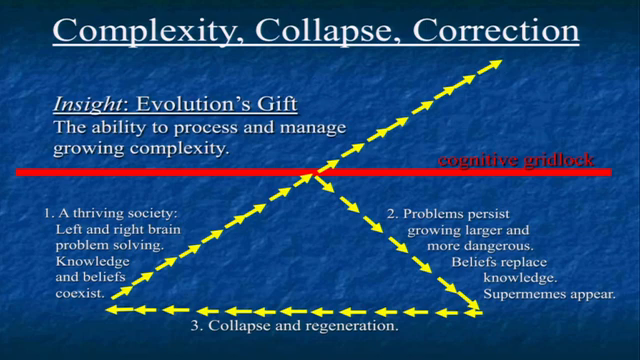
complexity outpaces our ability to process information, society falls into a state of gridlock. The speaker outlines a predictable psychological transition when we reach this threshold:
Phase Descript
ion
Fact-Based Humans rely on empirical data and rational problem-solving.
Gridlock Information becomes too complex to grasp, leading to frustration.
Belief-Based Lacking understanding, we abandon fac
ts for irrational beliefs and false prophets.
Costa uses the collapse of the Mayan civilization as a historical warning. When they could no longer understand the complexities of climate change and dro
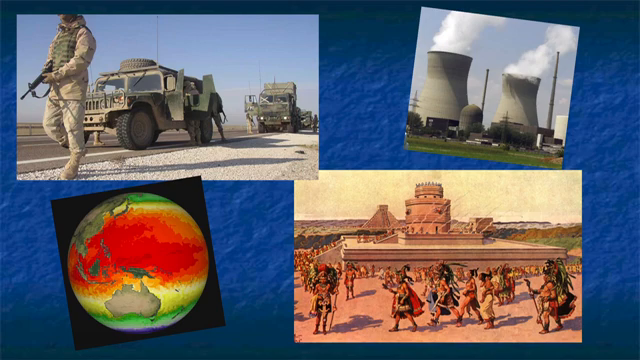
ught, they shifted from rational infrastructure maintenance (reservoirs/crop rotation) to desperate, non-rational practices (human sacrifice) [00:07:08 - 00:08:14].
Breaking the Cycle
To avoid histori
cal collapse, the speaker advocates for three primary strategies:
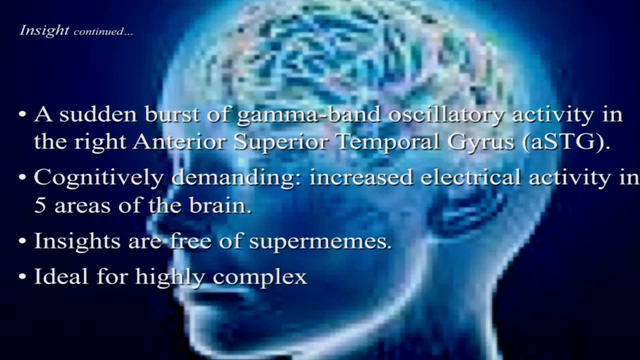
Cultivating Insight: Neuroscience identifies "Insight"—a spontaneous, elegant connection of data—as a third, evolved form of problem-s
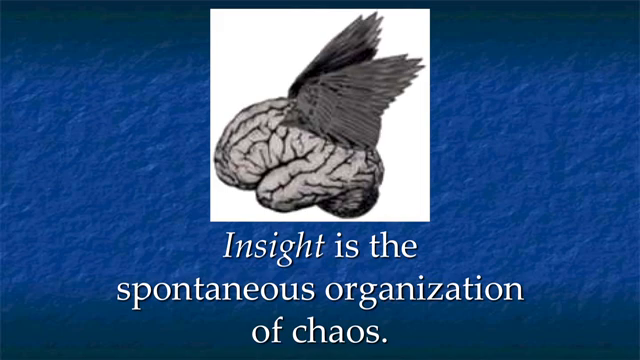
olving. By training the brain to reach this state, we can move beyond mere belief.
Brain Fitness: The speaker emphasizes "brain fitness" exercises, citing studies where 10–15 minutes of cognitive cond
itioning significantly improved academic performance [00:11:59 - 00:12:13]. She argues this should be a standard component of education.
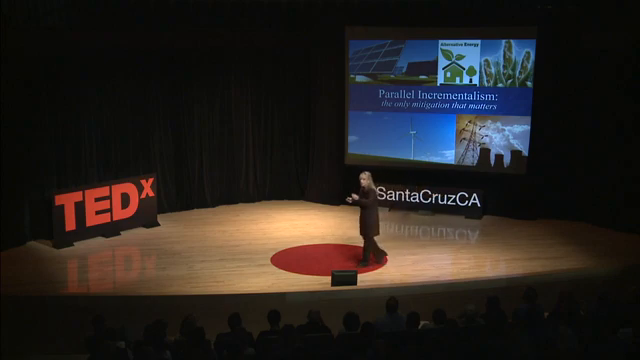
High-Failure Mitigation Models: Because we are poor at picking
correct solutions for complex problems, we should adopt models like Venture Capital, which expects and manages high failure rates. Instead of betting on one "perfect" solution (like a single concrete
box for an oil spill), we should employ rapid, parallel testing of many solutions to buy time [00:13:57 - 00:14:55].
Conclusion
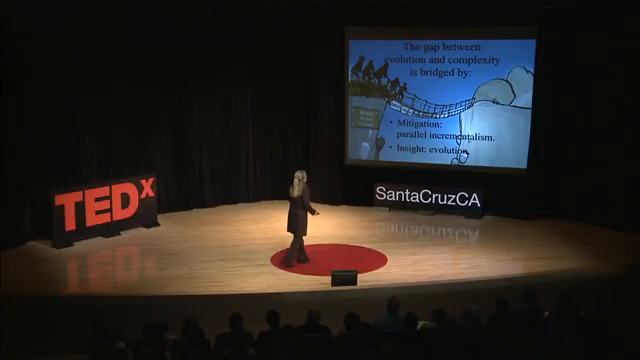
Costa concludes that we are at an evolutionary limit and that our proble
ms are no longer purely political, but biological. She proposes the creation of an agency—analogous to NASA but focused on "Inner Space"—to study the brain and bridge the gap between our capabilities
and the world we have created [00:15:06 - 00:15:21].
Video Reference: https://www.youtube.com/watch?v=0GL9Q7GUJpE
The greatest discovery you never heard of | Rebecca Costa | TEDxSantaCruz
TEDx Talks ·
Viewer Discussion & Comments